


"A household residing in North London seeks an extraordinary and experienced instructor to support their smallest child on his early path to becoming an British gentleman."
Looking at this post, you might naturally overlook the wording "first-steps" as just an expression.
Yet, it may be the most important aspect of this unusual employment listing, as it seeks to find a tutor for a 12-month-old.
Numerous of submissions have already been received since the unidentified family published their call for the £180k-a-year tutor, who needs to be "an exceptional individual".
During the past few weeks, the listing has gained notice in the media, with many wondering why?
Innovative Idea
The CEO, chief executive of Tutors International, which is assisting the family in their hunt, said that despite initial scepticism, he considered the plan "forward-looking", and "innovative".
When he met the family, he mentioned they appreciated the atypical aspect of their demand, and how early in age their son is.
However, they stated that they "didn't want to wait any longer" to hire a tutor, as they had waited until their elder sibling was five, and by that stage "cultural bias had by then taken hold".
What precisely does the family mean by "cultural leaning"?
It's "comprehensive", he replied. "The way you eat, how you speak".
He said the elder child had adopted "extremely delicate, body language" from the family, and had adopted their cultural ways. The family informed him they hoped to prevent the same situation to repeat itself with their younger child.
The intention: To engage a British tutor, who must speak with Received Pronunciation, to guide the baby from day one.
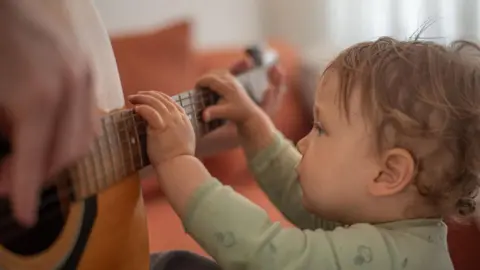
Natural Absorption
"A lot of the education at the start here is somewhat absorbed naturally," stated the expert.
It's via this osmosis that the family are expecting the child will adopt the UK customs they want to impart.
He explained the tutor must be someone who studied at "the appropriate educational institutions – comparable categories of schools as the family plan to send their son to".
"The educator must be the suitable individual, they'll be performing things they don't even know they're doing, simply by nature," he commented.
Expense Not a Factor
The family told Adam the chosen tutor should preferably also have understanding of or enthusiasm in horse riding, winter sports, creative fields and musical activities so as to inspire the child in a wide range of passions.
Furthermore though, he explained the family desired the tutor to enrol the child on a range of lessons so the child would be "equestrian training and learning an instrument by the time they are around three years old".
In the family's perspective, assisting their son become a "English gentleman" will lead to success and open doors.
"Considering the advantages and disadvantages of that, because it's certainly a social class indicator," he notes.
But, despite all this guidance in "UK identity", would the child adopt so-called cultural bias from the multicultural family he resides with in any case?
"Yes", said Adam. "The family know this could fail, but they've merely embraced the view of, 'we should try and let's go as soon as we can', because the price of it is not relevant," he stated.
Overly Optimistic
Several in the tutoring industry who share those reservations.
Peter Cui, head and founder of Blue Education, who supplies private tutors, wrote that "the development of adopting dual cultures, or actually, becoming oneself, is something that must be lived into, not manufactured."
The expert noted that he had emigrated from China to the Britain at the age of childhood, and had been brought up knowing and practicing two backgrounds. He went on to study at a prestigious UK institution.
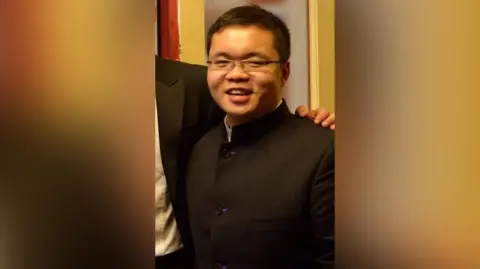
"The idea that a single person can function as a representation of UK identity, someone who can somehow transfer the attributes of a English gentleman onto a infant child, strikes me as naive and unfeasible," he wrote.
"In my experience, employing a typically British tutor from infancy will does not necessarily create the outcome they desire.
"I never had that kind of mentor, and nevertheless I have been fortunate enough to enjoy many of the situations they desire for their son."
He added: "The reality is, self-identity should not be forced from the outside; it must be selected, and it must be internally driven."
Buying Britishness
Naturally, English culture is something the expert hopes can be instructed – and sold.
"I think the fact that the global community views us in this respect is something that we should be cherishing|valuing|appreciating


